An Alternative to "Paving Paradise"
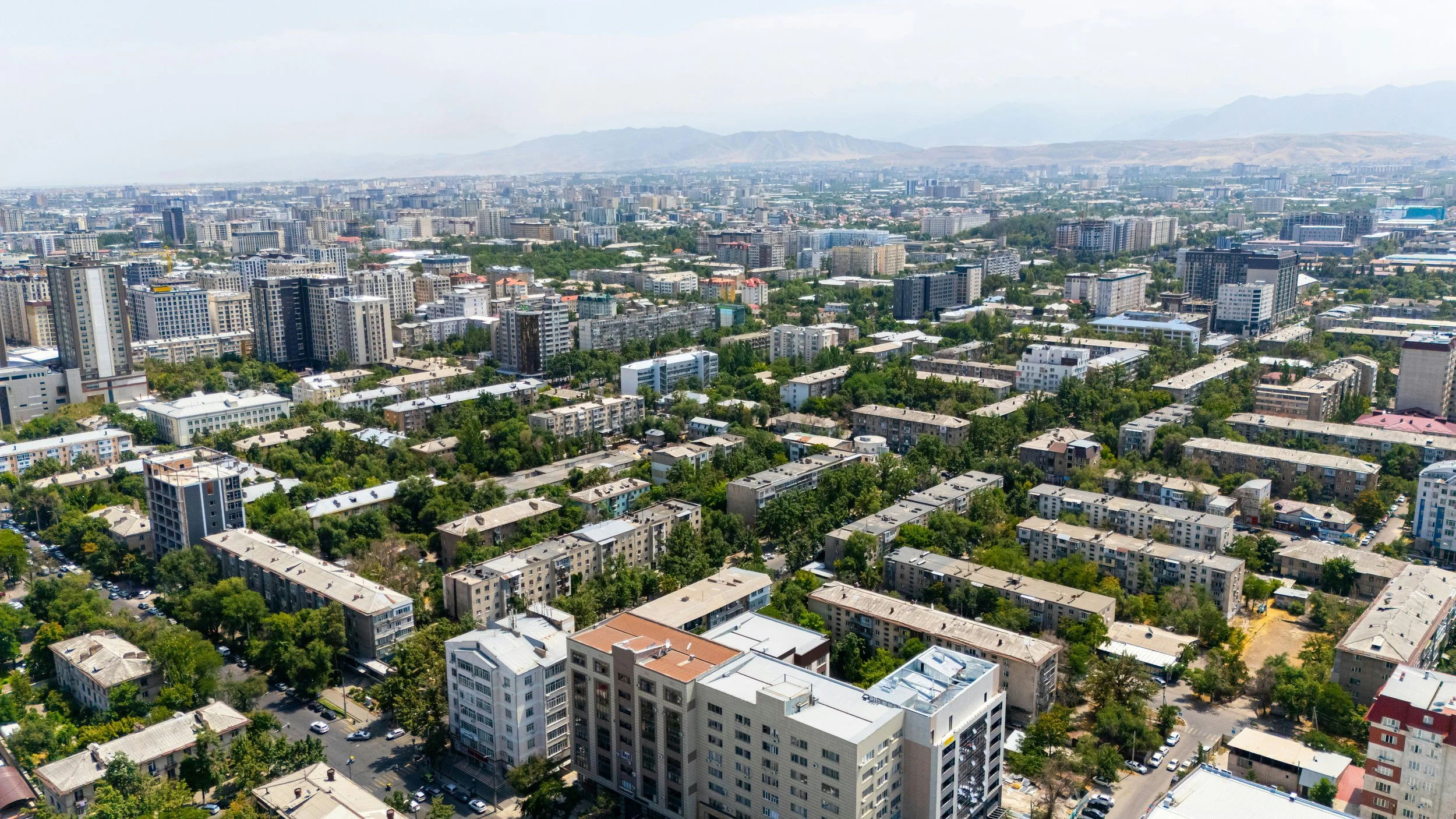
We live in a beautiful place. And we know that all the tourist brochures project an image of idyllic rural life, big trees, and lovely shoreline. There is no denying that these are wonderful attributes of where we live and what the tourists come to see.
But for those of us who have lived on Vancouver Island for a long time, the changes have been dramatic. In as much as we might like to think of ourselves still living in place at the edge of the world, the reality is that the world has found us.
Over the course of half a century, the population of British Columbia has tripled in size. Vancouver Island alone is currently on its way to a population of one million residents. We currently have about 17% of the total population of British Columbia. And based on the estimates from BCStats, the Cowichan region is adding one thousand new people per year. These demographics account just for the residential population but when we consider the tourist trade and business/commercial travel, there are hundreds of thousands more people on the Island at any one time -- far beyond those captured in census data.
This growth brings some good things like diversity and industry. But along with those good things come many growing pains like traffic gridlock and lack of proper transportation infrastructure to accommodate all these people getting where they need to go.
We are no longer a remote place but we still very much want to preserve what makes this place special. We can’t stand by while, as Joni Mitchell sang, “they pave paradise and put up a parking lot”.
Wrong-headed government policy decisions have cut back or neglected to support transit. As coach lines, trains, and transit have been under-funded and allowed to fade away, people have become stuck in private vehicles as their only option. So now ICBC logs that there are more cars than people on Vancouver Island.
We are constantly told by the provincial government that the cupboard is bare when it comes to funding public transportation on Vancouver Island.
It is not, however, a choice whether money is being spent on transportation but whether it is being spent most effectively. It seems that both municipal and provincial levels of government are constantly engaged in asphalt paving. This because we have made the mistake of being car-centric and the constant maintenance of road surfaces is ruinously expensive. We will not be able to pave our way out of the transportation mess that we have made.
The McKenzie interchange -- one intersection-- took years to complete and cost over $100 million and is now partially being redone due to the bus lanes having been neglected. (And it still gets gridlocked) Would it not make more sense to invest money to reduce private vehicle traffic? What would $100 million do for public transit in our community? It would have a much greater impact on the quality of life of our citizens than just one more intersection or off-ramp. Public transportation is much more efficient at moving people and far more sensible.
And let's not forget that the provincial government is trumpeting spending an additional $300 million this year alone in the Lower Mainland on Translink. But Vancouver Island municipal transit systems are sent begging.
We must demand better . We need a proper transit system that breaks us free from the downward spiral of car dependency. If people have safe, reliable, affordable transit then they don't have to own multiple vehicles per family. Money that would have been spent on car maintenance is freed up for discretionary spending in a more diversified economy.
We may get told that in the current economic environment that government can't afford to fix the transportation issues on Vancouver Island. But in reality, with the potential to unleash desperately needed economic growth, we can't afford not to.