Cowichan’s Transit is Broken… But We Can Fix It
Transit in the Cowichan Valley has become a bureaucratic mess that no longer serves the region's residents. While the situation is complex, understanding just how a private company came to run our public transit is the first step in effecting change.
From the scenic ocean views to the gleaming rivers, the Cowichan Valley is truly a beautiful place to call home. One of the first things to know about the Cowichan Valley is that it is bigger than you might think. It is renowned as the homeland of the largest single First Nation Band in British Columbia by population. Cowichan Valley Regional District is an estimated 3500 square km – larger in area than Metro Vancouver, while the population of the Cowichan Valley overall is estimated at 90,000.
When you have an area with such diverse geography and people, the provision of public services also falls under an equally diverse array of administrations. While there are many commercial centres, towns and cities within the bounds of Cowichan, they are grouped under a few main bodies. The Cowichan Tribes administer matters on reserve and support their broader membership. The Town of Ladysmith, the Municipality of North Cowichan, the City of Duncan, and the Town of Lake Cowichan are the main incorporated municipalities within the umbrella jurisdiction of the Cowichan Valley Regional District (CVRD). As with many governing bodies, the elected representatives of CVRD raise revenue through various taxes and fees to fund the things their constituents need.
One of those key needs is transportation. Municipalities put the infrastructure in place that enables citizens to move about and thrive in their communities. These municipalities assumed that the public would be able to own private vehicles to drive on publicly provided roads; however, this has proven very costly for the planet, individual vehicle owners, and public budgets. Mass public transit is now recognized as a safer, cleaner, healthier, and more economical option for people to get to where they need to be.
But here is where it gets difficult.
Even though all of their own studies show that more public transit would improve the lives of their residents, the municipalities and the CVRD have become trapped in a bureaucratic pickle. What might have once seemed like a good way to do things is now getting in the way of improving transit in the Cowichan Valley.
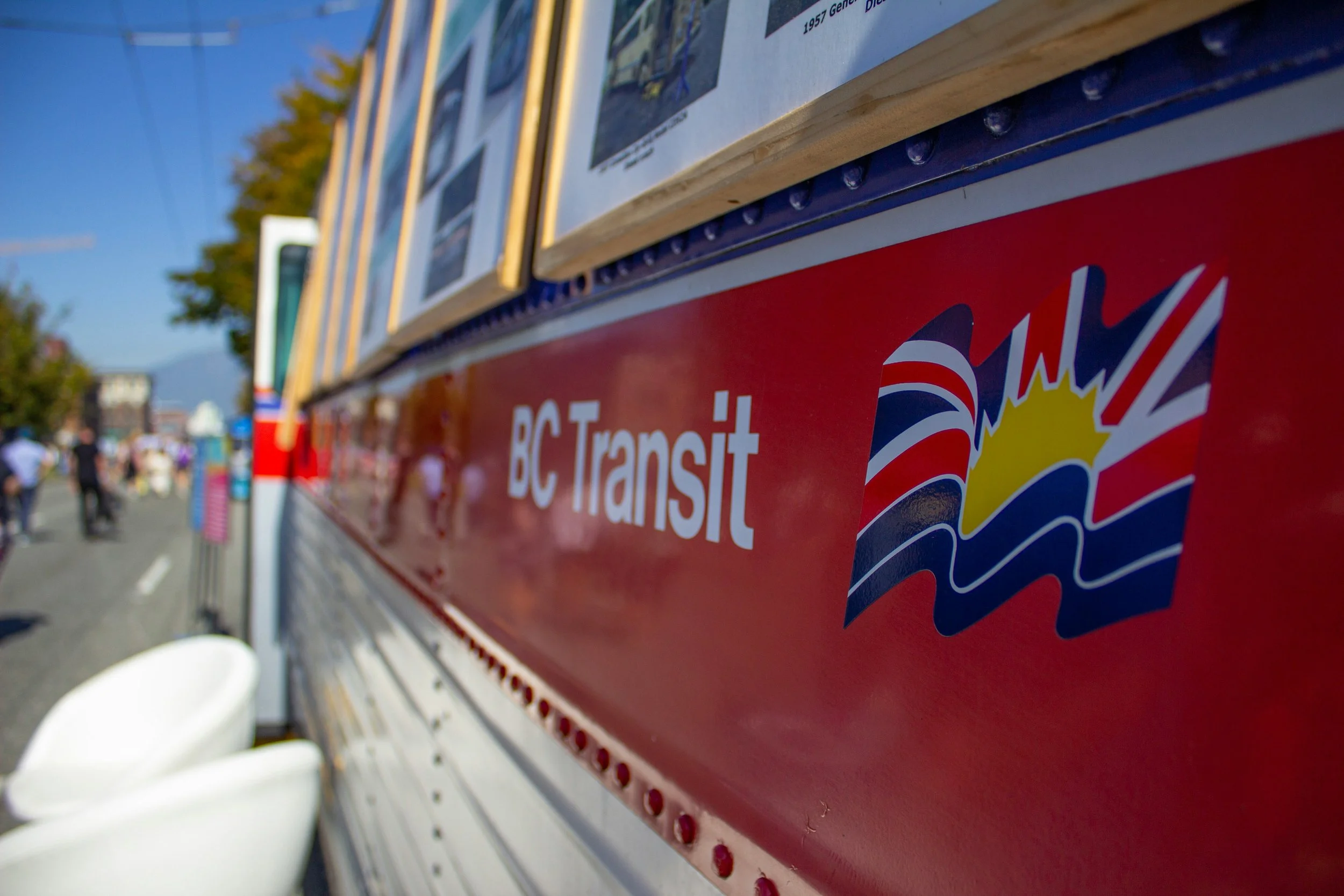
So how does it happen that funds for public transit go from a municipal council to a bus, eventually appearing at a stop on your street? Well, there are a lot of steps before you get to a bus stop.
For the sake of example, let's take the municipality of North Cowichan. In 2024, they published a Master Transportation Plan that identified what would be needed for bus service in North Cowichan. Except that North Cowichan is not permitted to operate a transit system on its own. Therefore, elected representatives of North Cowichan must contribute the funding for bus service to the CVRD. The CVRD then pulls together a transit plan and funding for all participating municipalities within its bounds. Employees of CVRD then establish bus stops and shelters, but they are not empowered to actually run the bus service, as this is the responsibility of BC Transit. At the provincial level, it is legislated that BC Transit will be an independent, "arms-length" agency that will purchase buses, paint them the same colours, and set the standard for transit services in the province. So, the CVRD staff take all the input and transit funds from the various Cowichan communities and makes a request to BC Transit for a bus service in the Cowichan Valley.
BC Transit takes CVRD's money and proposal and decides how they think best to respond. In the case of the Cowichan Valley (and the vast majority of municipalities in BC), BC Transit puts it out for private corporations to bid on how the bus service will be provided in Cowichan without any say from North Cowichan or the other municipalities that make up the CVRD. In recent years, BC Transit has awarded the contract to TransDev Canada, a subsidiary of a very profitable, multinational corporation based in France. Once BC Transit has signed with TransDev, CVRD is locked in for whatever terms BC Transit designates. BC Transit then sets up regular invoicing of CVRD for the contracted bus service. TransDev then hires the drivers and pays them on a union contract, but returns a profit to its international shareholders. After all these steps, it is very difficult to make changes. If, as in our example, the Mayor and Council of North Cowichan come to realize that the bus service within its bounds is not meeting the 2024 Master Transportation Plan, they could complain to BC Transit. Still, they will be told that everything is now in the hands of TransDev, and that BC Transit has a "hands-off" policy once a contract is awarded.
So what do the residents of the Cowichan Valley get for the public money that the CVRD pays to BC Transit, which then contracts with TransDev?
We do get some bus service. There is the HandyDART door-to-door service for folks with disabilities, and there is a scheduled service operating 15 routes.
While we may get some bus service, we don't have much say in whether that service meets our needs. As any transit rider will tell you, there is almost no weekend service, and evening service is practically nonexistent.
Better service could be achieved if we make our voices heard. Our municipal officials don't feel well served by BC Transit, but they need our support to make changes.
If you think there has to be a better way, we do too.
Join us to make better transit for all Cowichan residents a reality.